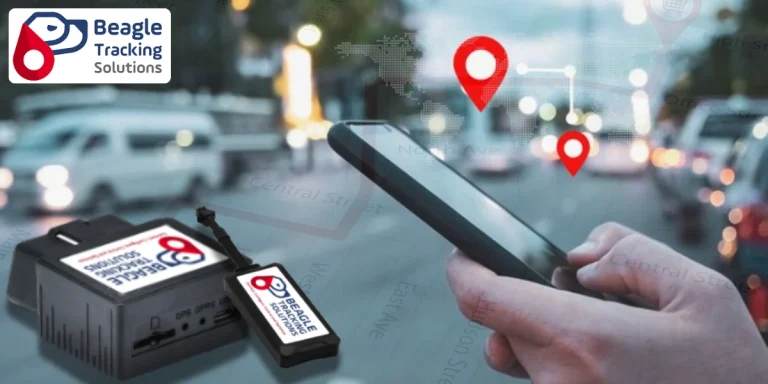
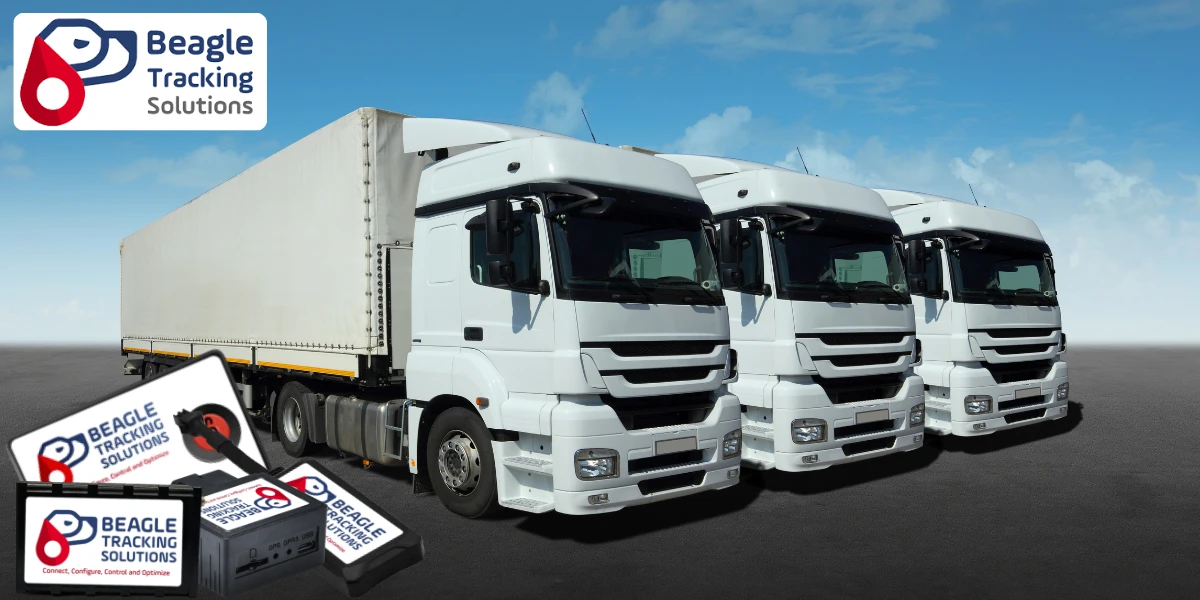
Organizations that use a fleet of vehicles must ensure they are as efficient, secure, and cost-effective as possible in today’s fast-paced business world. An essential tool for many industries, GPS tracking for business vehicles helps logistics companies manage deliveries, construction firms track equipment, and service-based businesses assure reliable customer visits.
GPS (Global Positioning System) monitoring technology delivers real-time information about vehicle location, driver behavior, fuel consumption, and overall fleet performance. In addition, businesses that use GPS tracking technologies benefit from increased operational efficiency, security, and significant cost savings.
How GPS Tracking for Business Vehicles Works?
GPS tracking collects and transmits position and performance data via satellites, cellular networks, and on-board vehicle sensors. Also, these systems usually consist of three major components:
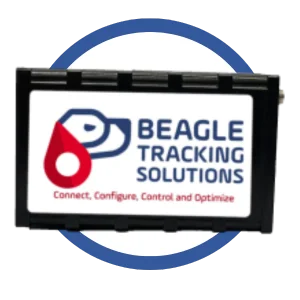
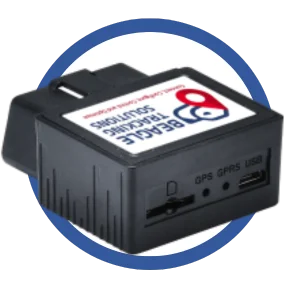
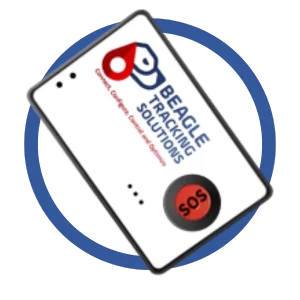
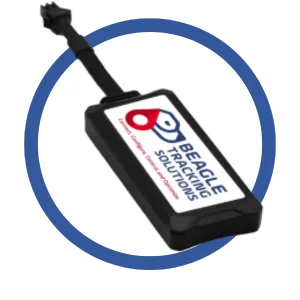
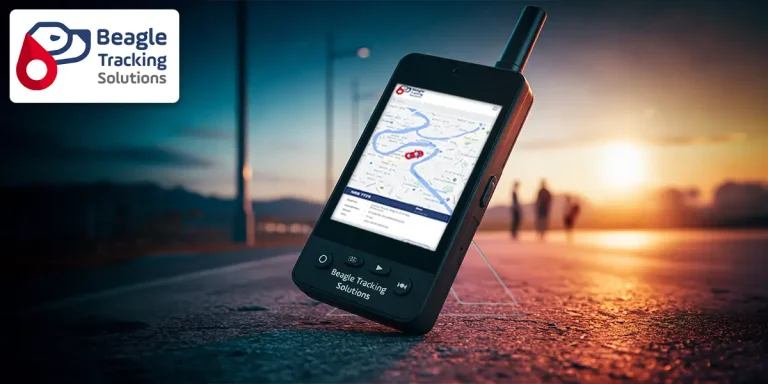
GPS Device: This device is installed in the vehicle and captures real-time data on the vehicle’s location, speed, and engine diagnostics.
Communication Network: Cellular or satellite networks deliver data to a central server.
Fleet Management Software: The software analyzes data and generates comprehensive reports and dashboards for tracking and analysis.
Key Benefits of GPS Tracking for Business Vehicles
Improved Fleet Efficiency
GPS tracking solutions help organizations optimize routes, reduce idle times, and increase dispatching efficiency. Managers can improve efficiency by monitoring vehicle movements and making data-driven decisions.
- *Route Optimization: GPS tracking identifies the fastest and most fuel-efficient routes, minimizing travel time and costs.
- *Real-Time Dispatching: Dispatch teams can assign jobs based on vehicle locations, improving service efficiency.
- *Reduced Idle Time: Monitoring idling behavior helps minimize unnecessary fuel consumption and wear and tear.
Enhanced Security and Theft Prevention
Fleet businesses are greatly concerned about vehicle theft. GPS tracking offers real-time alerts and geofencing capabilities to prevent unauthorized use and recover stolen vehicles.
- *Geofencing Alerts: Businesses can set up virtual boundaries and get all notifications when a vehicle enters or leaves a specific area.
- *24/7 Monitoring: GPS tracking allows managers to monitor vehicles around the clock, ensuring security and accountability.
- *Quick Recovery of Stolen Vehicles: In case of theft, authorities can use GPS data to track and recover the vehicle quickly.
Cost Savings on Fuel and Maintenance
Fuel and maintenance expenses form an essential part of fleet operating costs. Businesses can reduce these expenses by optimizing fuel consumption and guaranteeing timely vehicle maintenance through GPS tracking.
- *Reduced Fuel Waste: Monitoring driving behavior and optimizing routes significantly reduces fuel consumption.
- *Preventative Maintenance Alerts: GPS tracking systems provide maintenance reminders based on mileage or engine diagnostics, preventing costly repairs.
- *Lower Insurance Premiums: Since GPS tracking increases safety and allows insurance companies to monitor driver behavior, several firms discount fleets installing this technology.
Enhanced Driver Safety and Accountability
Unsafe driving practices can result in accidents, legal penalties, and higher operating expenses. Also, GPS tracking gives driver performance information, creating a safety and responsibility culture.
- *Speed Monitoring: Businesses can track speed limits and enforce compliance.
- *Driver Behavior Analysis: GPS systems detect harsh braking, rapid acceleration, and other risky driving habits.
- *Compliance with Regulations: Fleet tracking ensures adherence to industry regulations and working-hour limits, reducing liability risks.
Improved Customer Service
Businesses that depend on timely deliveries or service appointments must prioritize customer satisfaction. Moreover, GPS Tracking for Business Vehicles allows companies to deliver outstanding client service by making accurate ETA predictions and efficient scheduling possible.
- *Accurate Delivery Estimates: Real-time tracking allows businesses to give customers precise delivery times.
- *Faster Response Time: Service providers can assign the nearest available vehicle for urgent requests.
- *Proof of Service or Delivery: GPS tracking verifies completed job records.
Key Features of a Business GPS Tracking System
The following are some of the most important aspects that businesses should look for in a GPS tracking system for business vehicles:
- Real-Time Tracking: Provides instant visibility of vehicle locations and movements.
- Geofencing: Businesses may set virtual borders and receive notifications when vehicles enter or exit specific regions.
- Driver Behavior Monitoring: Tracks speeding, harsh braking, and rapid acceleration to improve safety.
- Route Optimization: Analyzes traffic and road conditions to suggest the most efficient routes.
- Fuel Monitoring: This helps identify excessive fuel consumption and reduces waste.
- Maintenance Alerts: Notifications are sent for upcoming maintenance based on mileage and engine diagnostics.
- Reporting and Analytics: Create comprehensive reports on fleet performance, fuel consumption, and driver behavior.
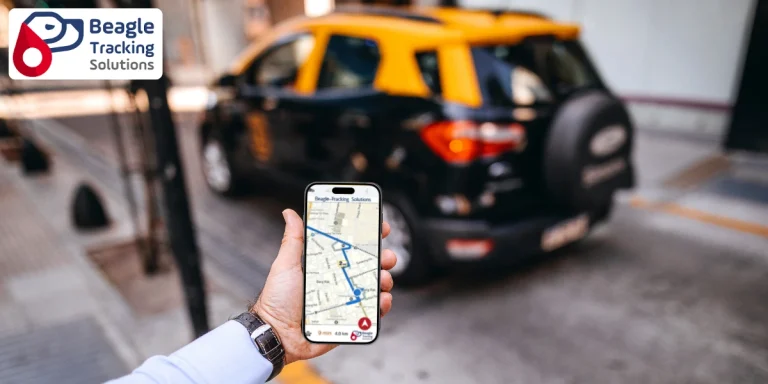
- Mobile Access: Allows managers to track fleet operations via smartphones and tablets.
- Third-Party System Integration: It can integrate with payroll, invoicing, and other business software.
How to Implement GPS Tracking in Your Business
Implementing a GPS tracking system necessitates careful planning to facilitate seamless integration and optimize benefits. To initiate this process, follow these steps to get started:
Step 1: Define Your Business Goals using GPS Tracking for Business Vehicles
Determine your significant objectives before picking a GPS tracking system. Do you want to save fuel expenses, increase driving safety, or improve customer service? Setting clear goals will help you in selecting the right features.
Step 2: Choose the Right GPS Tracking Provider
Research and compare GPS tracking providers based on features, pricing, scalability, and customer support. Also, ensure that the provider offers a user-friendly interface and reliable reporting tools.
Step 3: Install GPS Devices in Vehicles
After you have chosen a provider, install GPS devices in your fleet vehicles. Some providers offer professional installation, while others provide plug-and-play devices that require minimal setup.
Step 4: Train Your Team
Educate drivers and fleet managers on how to use the GPS tracking system effectively. Emphasize the benefits of tracking, such as improved safety and efficiency.
Step 5: Monitor and Optimize
Conduct routine assessments of monitoring reports to identify areas that require enhancement. Improve fleet performance by adjusting routes, implementing driver training programs, and utilizing data-driven insights.
Conclusion
Therefore, GPS tracking for business vehicles is a game-changer for companies that rely on transportation and logistics. Also, the benefits of GPS tracking are undeniable, from improving fleet efficiency and reducing costs to enhancing security and customer service. By investing in the appropriate GPS tracking solution and using data-driven insights, businesses can enhance profitability, optimize operations, and maintain a competitive edge. If you have not yet implemented GPS tracking in your fleet, now is the perfect moment to take advantage of this highly effective technology with Beagle Tracking Solutions.
FAQs
1. What is GPS tracking for business vehicles?
GPS tracking for business vehicles uses satellite technology to monitor and manage real-time fleet locations, routes, and driver behaviors.
2. How does GPS tracking benefit businesses?
It improves efficiency, reduces fuel costs, enhances security, ensures driver accountability, and provides real-time tracking for better fleet management.
3. Can GPS tracking help reduce fuel costs?
Yes, GPS tracking helps lower fuel consumption by optimizing routes, reducing idling time, and monitoring driving behaviors.
4. Is GPS tracking legal for business vehicles?
Yes, but businesses should inform employees about tracking policies and comply with local privacy laws and regulations.
5. How does GPS tracking enhance fleet security?
It prevents unauthorized vehicle usage, provides geofencing alerts, and assists in quickly recovering stolen vehicles.